Summary: Industries can better protect their workers, minimize downtime, and stay efficient with automated machine safety systems. Manufacturing, logistics, and process automation are industries that use advanced technologies to ensure safer processes and uniform production variables. Including technologies like level measurement apparatus and elevator position system strengthens automation strategies while improving equipment monitoring and worker safety across industrial environments.
For industrial applications, there is a requirement for accuracy, reliability, and increased safety. Those businesses that utilize heavy machinery, automatic production lines, and material handling systems require solutions that allow both them and their employees to keep things moving smoothly. To meet these demands, automated machine safety systems integrate sensors, monitors, and intelligent control with a common purpose of machine safety.
Although safety regulations are becoming more stringent and production demands still remain high, industries invest in advanced automation. Tradesmen also embed technologies into a business that allow for more specific tracking of business processes, like level measurement solutions. These systems can minimize jobsite risks and help organizations operate effectively and efficiently, with no unnecessary downtime.
Understanding Automated Machine Safety Systems
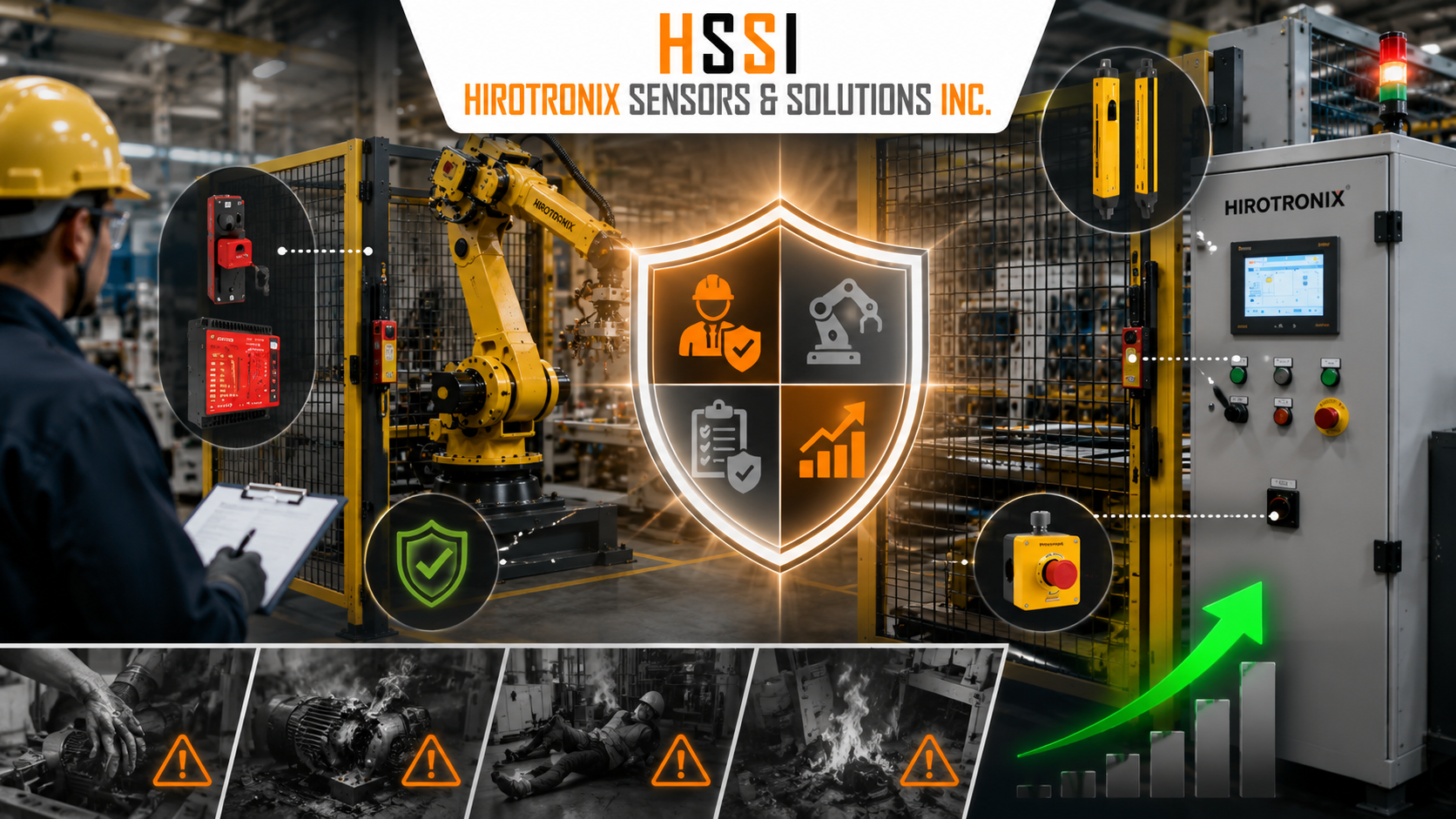
Automated machine safety systems provide worker and industrial equipment protection from workplace hazards. These systems track machine behaviors, provide early warnings of safety hazards, and activate preventive measures to avoid the event.
Safety relays, emergency stop devices, safety light curtains, and a wide range of other automated sensors are used in manufacturing plants, logistics centers, and process industries for improved protection of the work environment. Automated systems act quickly, as opposed to manual actions, thus increasing overall operational safety.
In an industrial setting there can be high temperatures, moving equipment, electrical equipment, and repetitive operations. Machine safety systems that are designed correctly can minimize the risks and ease production.
Improved Workplace Safety
The first advantage associated with machine safety systems is that they make sure of employee safety. The main advantage that comes with a machine safety system is the protection of the safety of workers. Industrial machines are used in extreme situations and run at high speeds. Failure to have the proper and safe safety equipment can expose employees to unnecessary hazards while in operation and maintenance of the machines.
Automated safety solutions can detect hazardous situations right off the bat. When a worker goes over into a restricted area, or when there is an abnormal operation condition, the safety sensors stop the machine. That will make injuries and damage to equipment less likely with this speedy answer.
Improved operation discipline and greater employee confidence can follow when organizations focus on making their work environment safe. Greater employee confidence and operation discipline can follow when organizations focus on making their operation environment safe. Job satisfaction is further associated with long-term retention and productivity in the workforce when working in a safe environment.
Reduced Operational Downtime
Unexpected equipment failures upset the production schedule and raise operation expenses. An automated machine safety system can predict mechanical and/or electrical issues before they become a major problem and minimize downtime.
Predictive monitoring tools constantly monitor and analyze machine performance. If the conditions in a system are irregular, the system provides alerts for the maintenance team that allows them to deal with issues at an early stage. If preventative action is taken, there will be fewer production interruptions, and this will contribute towards stable manufacturing output.
Industries using automated production lines find this more beneficial because of the potential implications it can have on a delivery schedule and on customer commitment if this line goes down for a short while.
Better Compliance with Safety Regulations
There are strong regulations in place that govern operational safety in industrial businesses. Regulatory authorities require organizations to have documented safe machinery, as well as a reliable machinery safety system.
Machine safety is more easily achieved with automated machine safety systems that help businesses with these requirements more consistently. Standardized procedures through integrated safety controls ensure that procedures are followed and accurate monitoring records are kept.
Compliance is also a boost to business reputation. A strong emphasis on the safety standards used in industry typically leads to better relations with customers, suppliers, and stakeholders.
Enhanced Equipment Protection
Machine safety systems ensure protection of both the person operating the machine and the machine for industrial applications. If workers do not recognize these troubles early, they may be subjected to mechanical failures, electrical failures, or overheating conditions and do serious damage to costly equipment.
Automated systems automatically stop equipment when operating conditions are unsafe. This preventative measure can save businesses from expensive repairs and replacement.
An automated facility capable of advanced automation technologies can boost equipment life and retain steady operation. The use of an effective elevator position system also contributes to a safer vertical transportation system by providing better positioning accuracy and less mechanical stress when operating in the elevator.
Improved Productivity and Efficiency
Employees’ productivity benefits directly from working in a safe environment. Safety systems ensure machinery and workstations are safe, giving employees greater confidence to perform tasks.
Automated systems also aid in operational process efficiencies. Safety devices transmit real-time feedback to the production systems, enabling quicker response times and enhanced and more efficient machine coordination.
This enables industries to lessen manual involvement in repetitive tasks by automating them. This not only keeps businesses consistent, but it can also help mitigate risk as well.
Real Time Monitoring and Data Analysis
Today’s machine safety technology provides real-time monitoring and information for operations. This data is invaluable for industrial managers in spotting patterns for safety, maintaining equipment, and optimizing production processes.
Data-powered insights aid decision-making throughout manufacturing operations. Real-time analytics can be used for businesses to modify maintenance plans, plan workflows, and optimize machine performance.
Industries with large area operations are particularly enhanced by centralized monitoring, which creates improved visibility of the various sectors of production.
Supporting Industrial Automation Growth
Industrial automation is still growing in manufacturing, logistics, energy, process industries, and more. Automated machine safety systems help this growth and contribute to making the production environment safer and more reliable.
Advanced automation technologies are used in conjunction with each other, with the aim of making operations more controlled and coordinating equipment. For many industries, machine safety systems work in tandem with process monitoring technology, like level measurement products, to bolster production accuracy and reliability.
Machine safety systems will keep being at the heart of maintaining secure and efficient practices as industries undertake smart manufacturing strategies.
Conclusion
Automated machine safety systems improve workplace protection, operational efficiency, equipment reliability, and regulatory compliance. Companies that invest in sophisticated safety measures increase their staff’s safety without sacrificing productivity.
Additionally, systems including the level measurement solution are integrated into overall system strategies for industrial organizations, enhancing their automation efforts. These technologies support accurate monitoring, predictive maintenance, and efficient industrial processes across multiple sectors.
Hirotronix Sensors and Solutionscontinues to support industries with advanced automation and machine safety technologies designed to improve operational reliability and workplace safety.
FAQs
1. What is an automatic machine safety system?
An automated machine safety system is a system of sensors, relays, and monitoring technologies that helps to keep workers and machine equipment as safe as possible while operating machines in industry.
2. Why do industries require machine safety systems?
Machine safety is necessary for industries to prevent injuries at the workplace, maintain their processes, and meet the industrial safety requirements.
3. How can automated safety systems help increase productivity?
Automation of safety systems minimizes downtime, optimizes production flow, and ensures stable machine operation in production facilities.
4. What industries use automated machine safety systems
Automated machine safety systems are widely employed in manufacturing, logistics, automotive, food processing, energy, and process automation.
5. How does predictive monitoring help ensure machine safety?
Predictive monitoring can pinpoint equipment issues before they become serious and cause downtime or large-scale equipment malfunctions.