| Brand | ELOBAU |
|---|---|
| Order number | N7DCC000H2-001, N7DCC0D2H2-001, N7DCC0D2V2-001, N7DCC000V2-001, N7DCC001H2-001, N7DCC001V2-001, N7DCC002H2-001, N7DCC002V2-001, N7DCJ0D2H2-001, N7DCJ0D2V2-001, N7DCJ000H2-001, N7DCJ000V2-001, N7DCJ001H2-001, N7DCJ001V2-001, N7DCJ002H2-001, N7DCJ002V2-001 |
You are here:
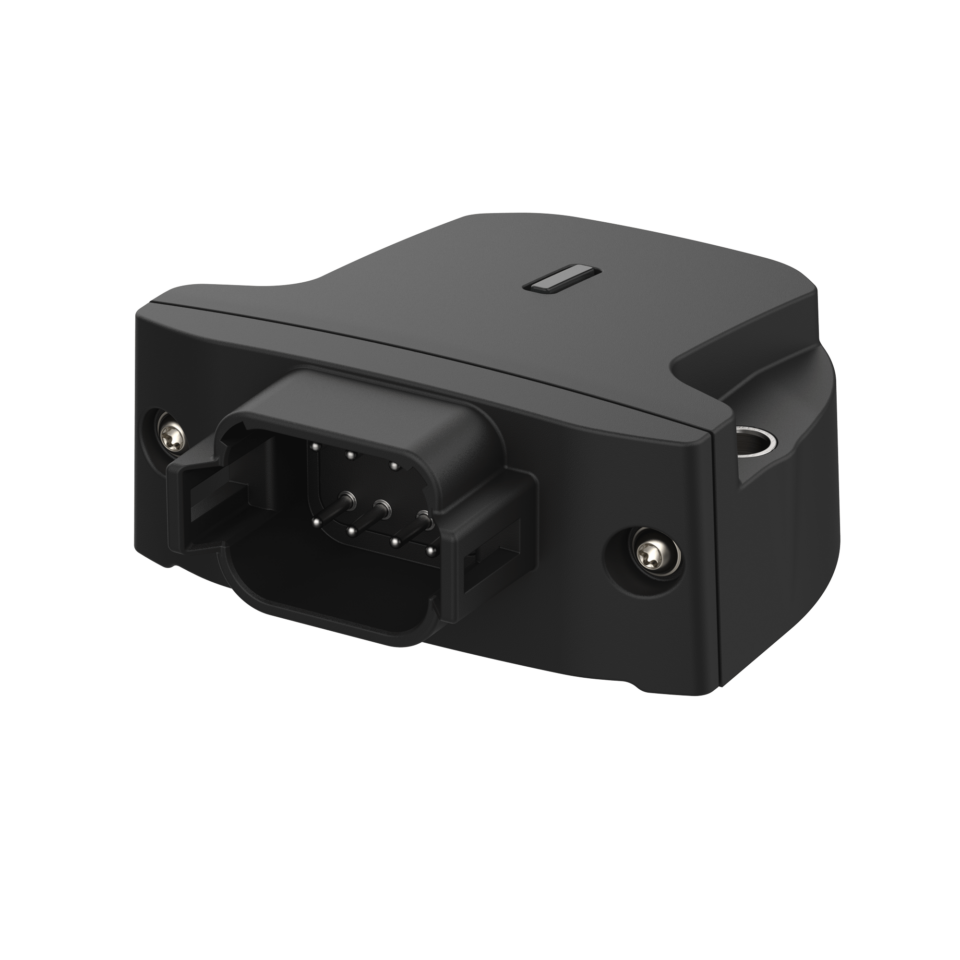
ELOBAU Tilt sensor N7 dynamic CAN
- Brand
- ELOBAU
- Part number
- N7
- Order number
- N7DCC000H2-001+15 variants, see Ordering information
- High precision, even with fast movements, strong vibrations and shocks
- Inertial Measurement Unit (IMU)
- Output of acceleration, rotation rate and inclination
Download datasheet (PDF)Ask an engineer
Price and lead time on request — add this part to your quote list and we will reply with pricing and availability.
The N7 dynamic tilt sensor is available in CANopen or SAE J1939 versions. Due to its robust design and high resistance to shock and vibration, it is often used to measure inclination in construction machinery, agricultural machinery, industrial trucks and harsh industrial environments. Enhanced with a highly responsive blend of accelerometer and gyroscope, this combination effectively minimizes the impact of abrupt movements, guaranteeing the delivery of accurate measurement data.
N7 dynamic – developed for even greater safety, reliability, functionality and flexibility.
Are you interested in our N7 tilt sensors? Then take the opportunity to order our customer sample box! Here you can choose between four different variants – customised to your needs.
Features
- High precision, even with fast movements, strong vibrations and shocks
- Inertial Measurement Unit (IMU)
- Output of acceleration, rotation rate and inclination
Technical specifications
| Type | N7 dynamic Dynamic application |
|---|---|
| Output signal | CANopen + Relais |
| Baudrate | 250 kbit/s |
| Cycle time | 10 ms |
| Node ID | 32 |
| Connector | Deutsch DT04-08PA |
| Measuring range | ±90°/±180° (X-/Y-axis, dual axis, horizontal mount) |
| X-axis | ±90° |
| Y-axis | ±180° |
| Relay linkage | Relay 1 = X1/X3 Y1/Y3, Relay 2 = X2/X4 Y2/Y4 |
| Switching point | X1 = 5° |
| Switching point | X2 = 10° |
| Switching point | X3 = 5° |
| Switching point | X4 = 10° |
| Switching point | Y1 = 5° |
| Switching point | Y2 = 10° |
| Switching point | Y3 = 5° |
| Switching point | Y4 = 10° |
| Switch-on delay | no delay |
| Switch-off delay | no delay |